A Deck Holds People Up. Make Sure It Can.
A deck carries the people you care about — and the parts that fail first are the ones you can't see: the ledger, the footings, the fasteners. That is why every deck inspection we do looks past the surface to the structure actually holding your deck up.
A deck is only as safe as its weakest connection. Rotten posts, corroded hangers, a loose ledger or a low railing are what separate a deck you can trust from one that fails without warning. With 15+ years and a certified crew, we inspect every deck to code — and hand you a documented report, not a guess.
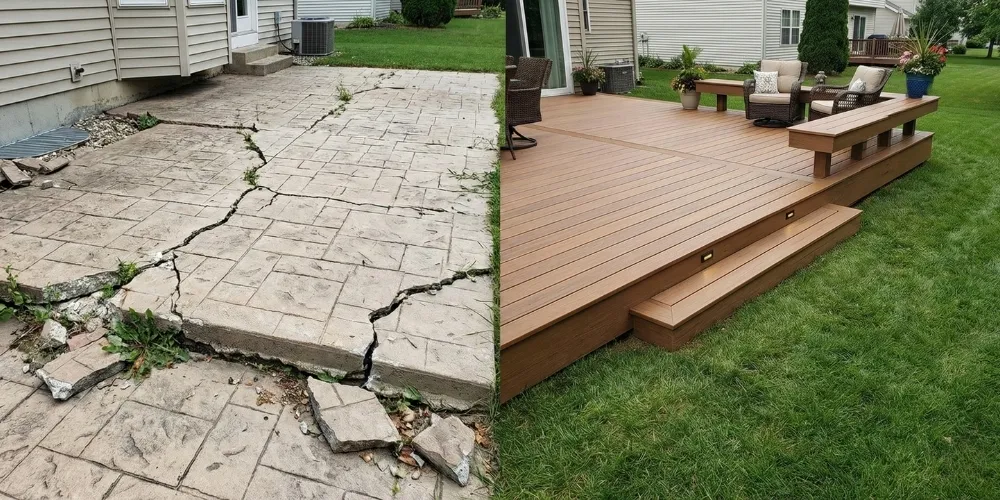
More Related Services
Explore the other deck services we offer — one local crew for the full life of your deck.
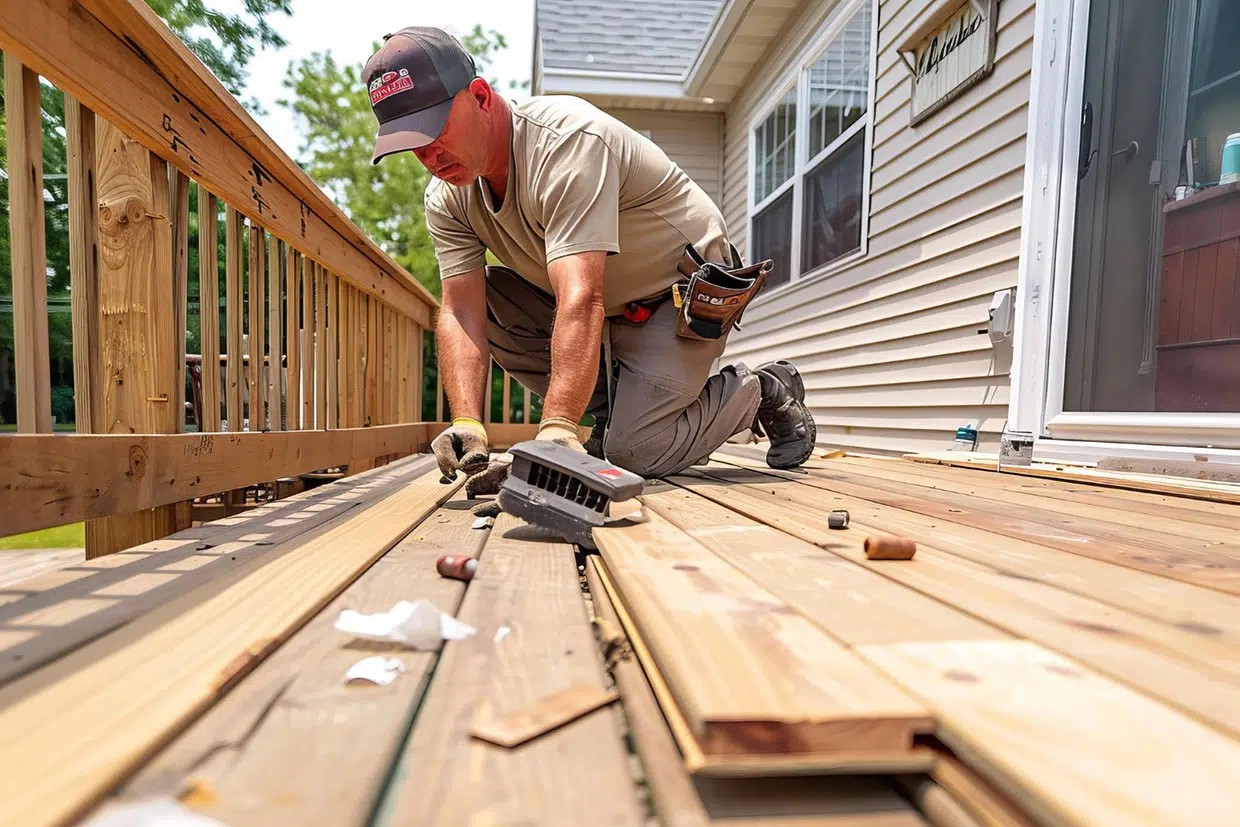
What We Check
Every inspection follows the same structural checklist, from the house connection down to the footings.
| Component | What We Inspect | Common Issues | Risk If Ignored | Priority |
|---|---|---|---|---|
| Ledger & Flashing | Bolts, flashing, house connection | Loose bolts, water intrusion | Deck pull-away | High |
| Posts & Footings | Post bases, concrete footings, rot | Rot, movement, undersized | Structural failure | High |
| Beams & Joists | Spans, hangers, sag | Cracks, sag, corroded hangers | Sagging surface | Medium |
| Decking & Fasteners | Board condition, screws, spacing | Rot, splinters, popped screws | Trip & soft spots | Medium |
| Railings & Guards | Height, baluster spacing, load | Loose posts, wide gaps | Fall hazard | High |
Highest-risk areas: the ledger and footings cause the majority of serious deck failures, and railings are the top fall hazard. Every finding is photographed, rated by priority and written into your report.
When You Need a Deck Inspection
Some moments call for a professional set of eyes. Here is when to book one.
Buying or selling
Know the true condition before the deal closes.
SB326 deadline
Condo and HOA balcony compliance is legally required.
After a storm
Wind, rain or a fallen limb can cause hidden damage.
Aging deck
Decks over 10–15 years old should be checked.
Feels unsafe
Bouncy, wobbly or soft spots underfoot.
Before refinishing
Fix structure before spending on the surface.
How We Inspect Your Deck
Four clear steps, one accountable team. It starts with a call.
Schedule & Free Consultation
We book a time that works, learn about your deck and any concerns you have, and confirm the scope with no obligation.
On-Site Inspection
Our certified inspector examines the ledger, footings, framing, decking, fasteners and railings, and probes for rot, corrosion and movement.
Structural & Safety Assessment
We evaluate every finding against code and safety standards, flag fall hazards, and rate each issue by priority and urgency.
Documented Report & Recommendations
You get a written report with photos, prioritized findings and clear repair recommendations — plus SB326 documentation when required.
How Much Does a Deck Inspection Cost?
Straight answer: most residential deck inspections run about $150–$500 as a flat fee. SB326 balcony inspections are quoted per building. Here's the honest breakdown.
Ground-level or single-story residential deck, visual inspection and report.
Elevated or larger decks, full structural assessment with photo report.
Multi-unit balcony inspections per SB326, quoted by number of balconies sampled.
| Cost factor | What drives it |
|---|---|
| Deck Size | Square footage and railing length to inspect — larger decks take longer. |
| Height & Access | Elevated, hillside or hard-to-reach framing that needs extra effort to inspect. |
| SB326 vs. Residential | Multi-unit balcony inspections require sampling and formal SB326 documentation. |
| Number of Balconies | For HOAs and apartments, the count of balconies sampled per building. |
| Report Detail | Basic visual report vs. detailed structural assessment with load sampling. |
Certified Installer & Trusted Partners
Factory-certified for the industry's leading decking brands — so you get the full manufacturer warranty on top of ours.
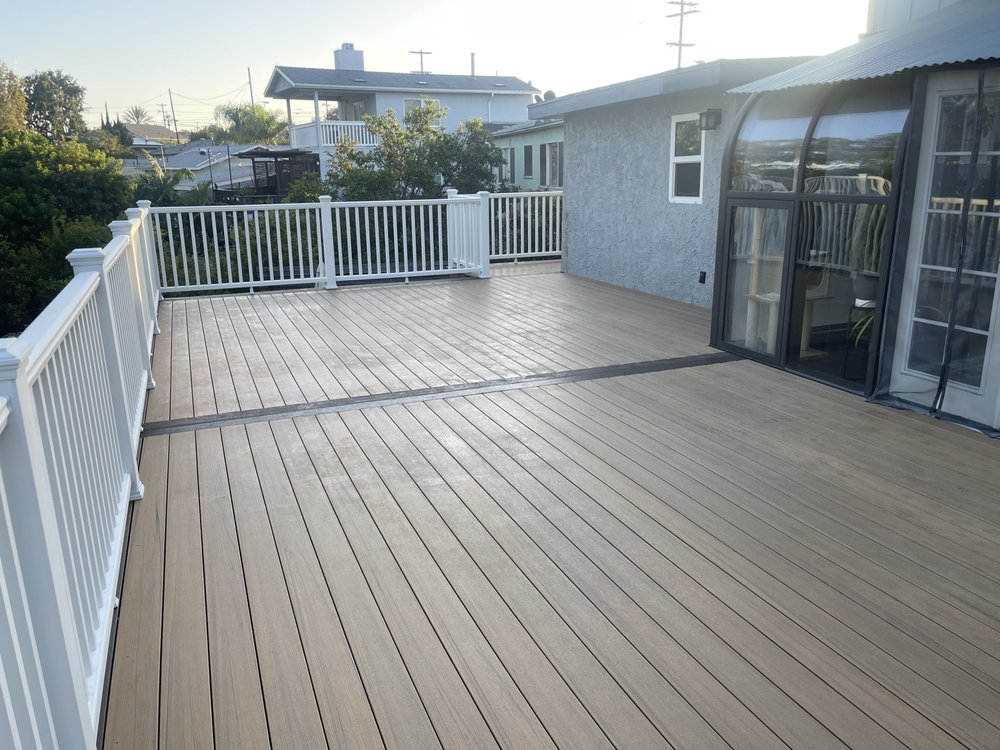
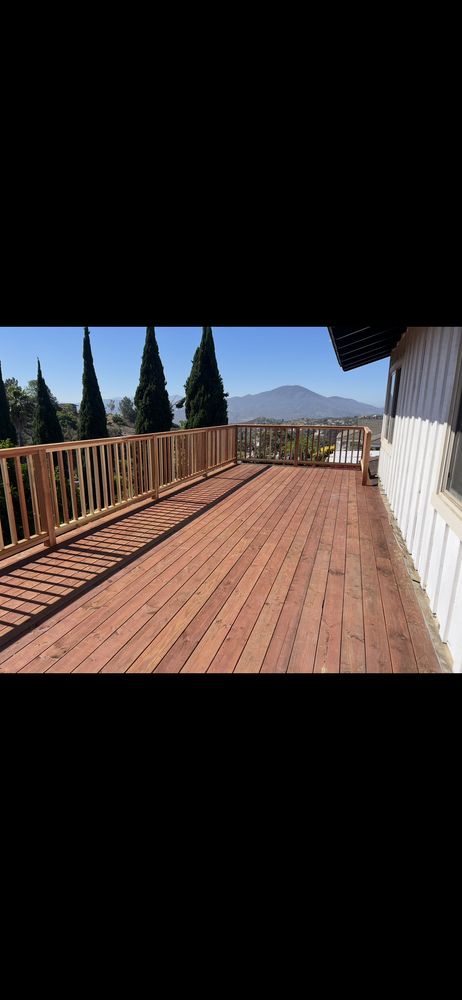
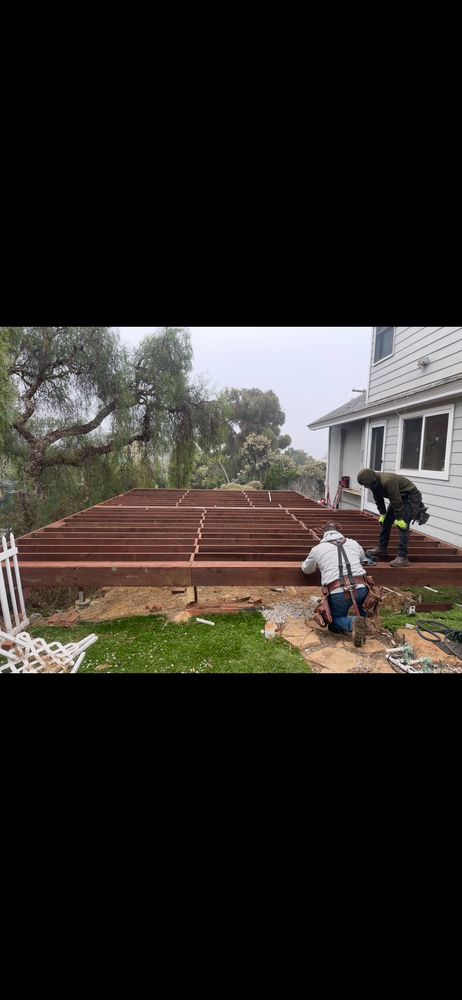
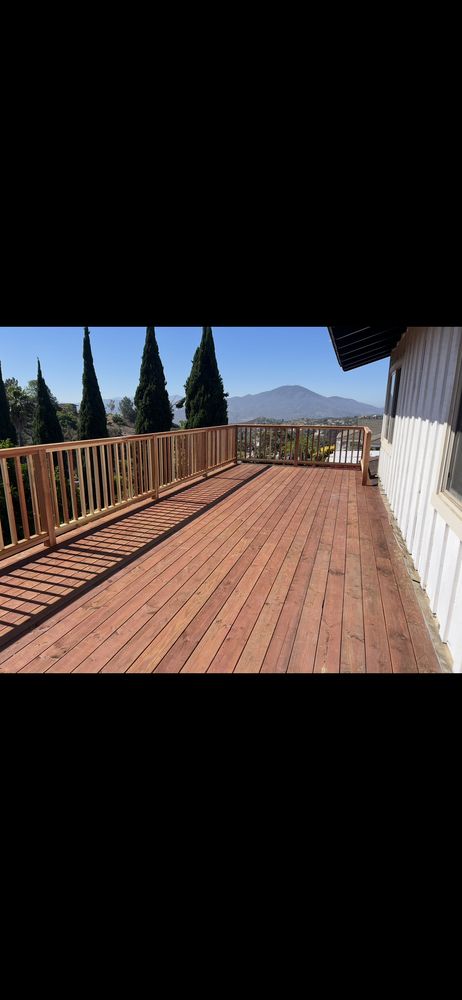
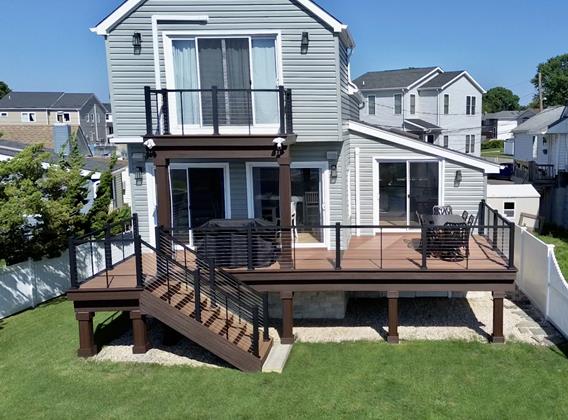
Recent Decks We've Installed
What Homeowners Say
“Their design ideas helped us create an amazing 30-foot deck. The crew was professional, communicative and always on time.”
“Finished in a week and the price was fair and honest. The composite deck looks better than we imagined.”
“From estimate to final walkthrough they handled everything, including permits. Stunning result and zero stress.”
Deck Inspection Questions, Answered
What does a deck inspection include?+
A full inspection covers the ledger and house attachment, posts and footings, beams and joists, decking and fasteners, and railings and guards. We check for rot, corrosion, movement, code issues and fall hazards, then document everything.
What is an SB326 balcony inspection?+
California Senate Bill 326 requires elevated exterior wood-framed balconies and decks at buildings with three or more multifamily units to be inspected by a qualified professional every nine years. We perform SB326 inspections, sample load-bearing components and provide the required documentation.
How much does a deck inspection cost?+
A standard residential deck inspection typically runs about $150 to $500 as a flat fee depending on size, height and access. SB326 multi-unit balcony inspections are quoted per building based on the number of balconies sampled.
How long does an inspection take?+
Most residential deck inspections take about one to two hours on site. You typically receive your written report within a few business days.
Do I get a written report?+
Yes. Every inspection comes with a documented report that includes photos, prioritized findings, code and safety concerns, and clear repair recommendations you can act on.
How often should a deck or balcony be inspected?+
We recommend a professional deck inspection every one to three years, before selling a home, and after major storms. SB326 balconies on qualifying multifamily buildings must be inspected at least every nine years.
Deck Inspection Across San Diego County
We serve 100+ ZIP codes from the coast to East County. Find your neighborhood below.
Coastal
Central & South Bay
Ready to Book an Inspection? Let's Find Out.
Tell us about your deck or balcony and we'll get you scheduled fast. Every inspection comes with a documented report you can act on.
Call (279) 217-9677