In the Backcountry, Your Deck Is the Front Line.
Across San Diego's hillside and backcountry communities, wildfire isn't a rare event — it's a planning assumption. When embers travel ahead of a fire, a wood deck is often the first thing on a home to ignite. That's why a fire-resistant deck in a WUI zone starts with the material and the assembly, not the finish.
We build with Class A, ignition-resistant and non-combustible decking — aluminum, mineral-board and rated composites — on ember-resistant assemblies that seal the gaps embers love. With 15+ years and a certified crew, we design every fire-zone deck to California Chapter 7A and document it for inspection.
More Related Services
Explore the other deck services we offer — one local crew for the full life of your deck.
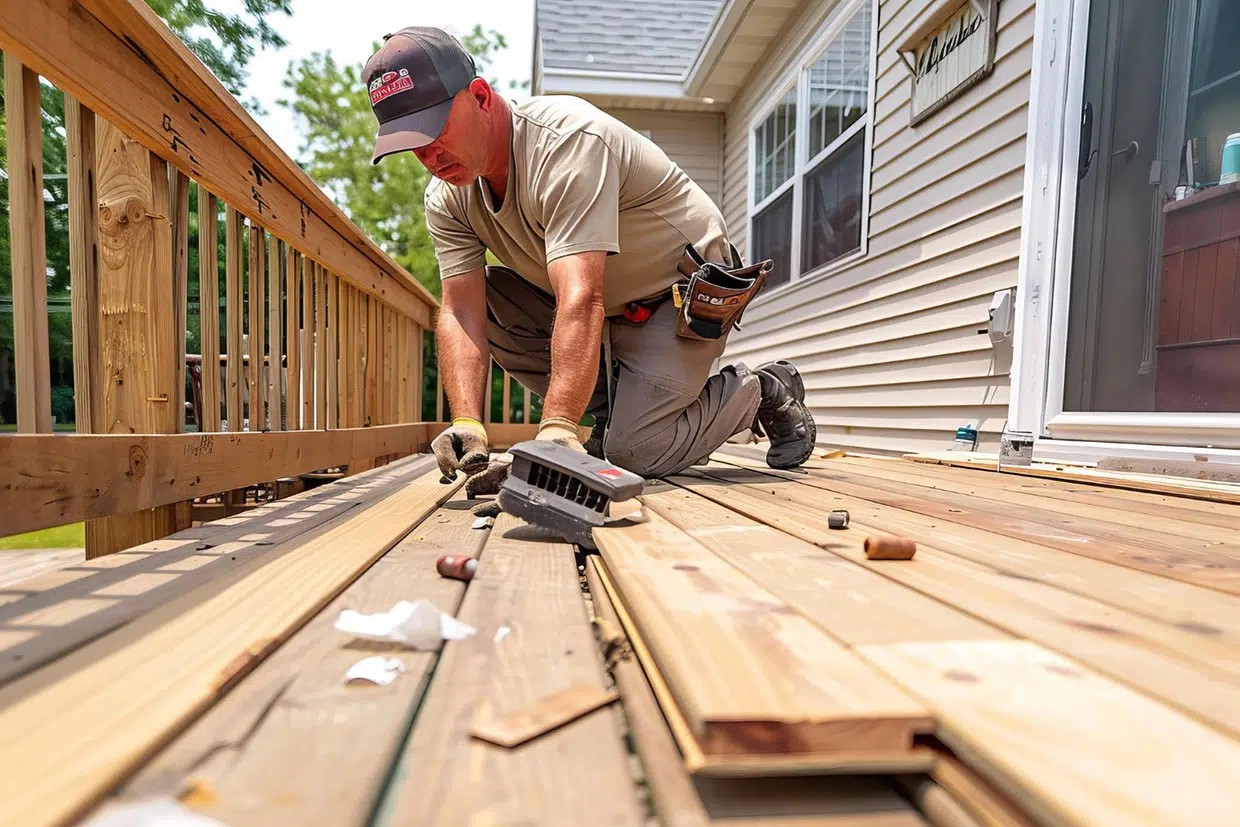
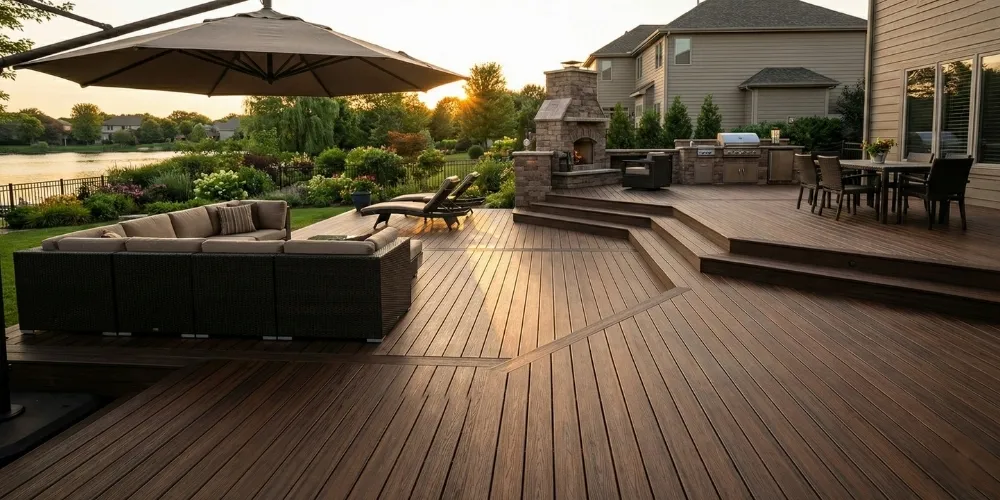
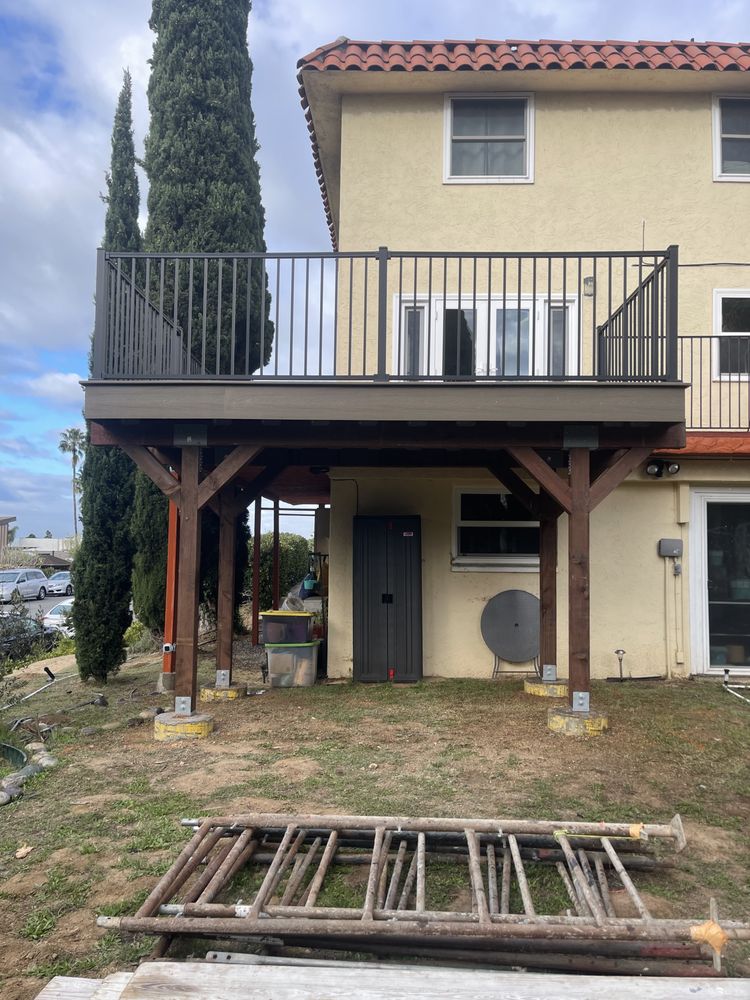
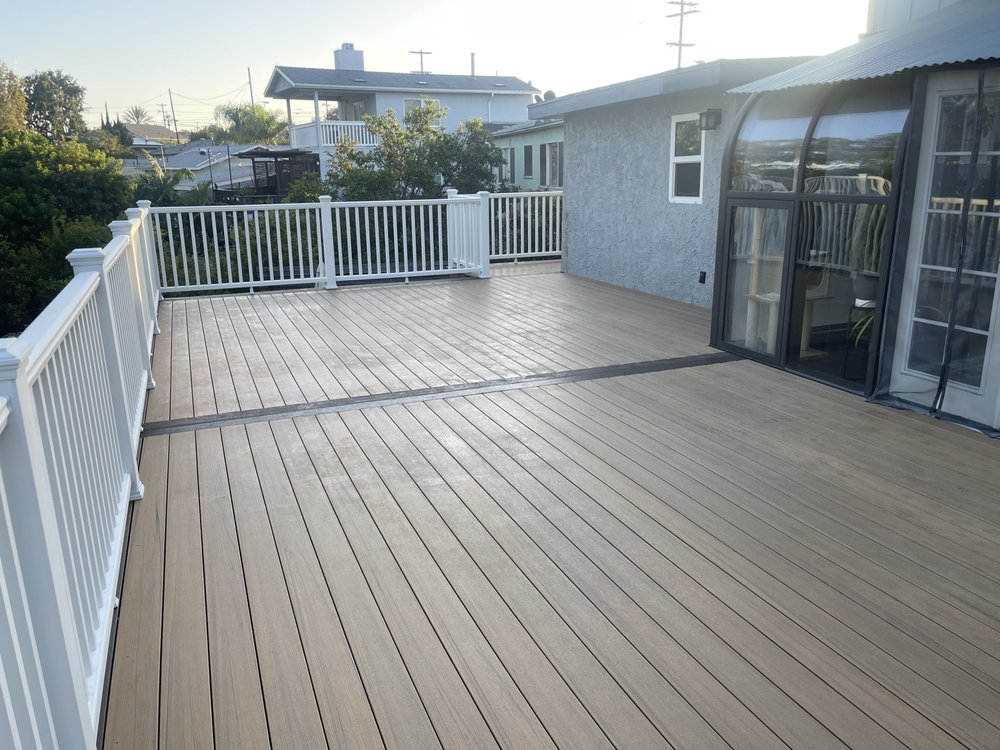
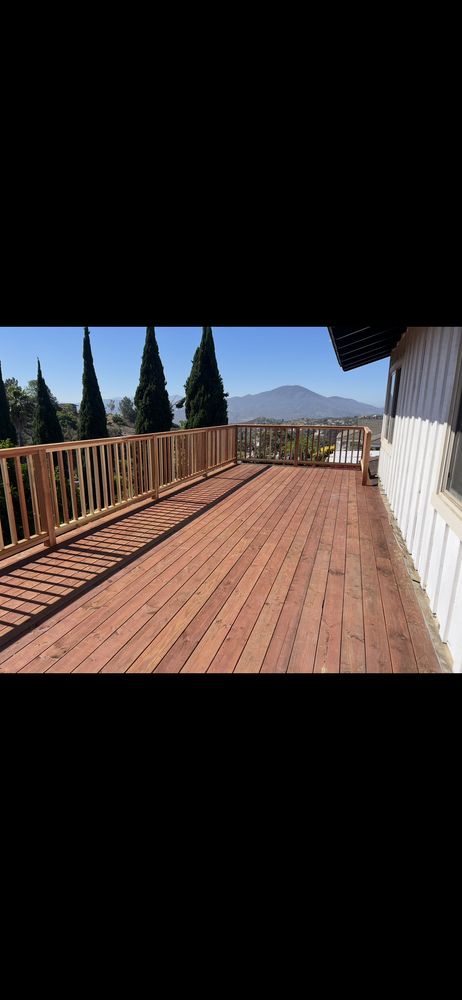
Fire-Resistant Deck Materials by Rating
In a WUI zone, a material's fire rating matters as much as its look. Here's how the options compare.
| Material | Fire rating | Best for | Maintenance | Price tier |
|---|---|---|---|---|
| Aluminum Decking | Class A, non-combustible | Highest-risk WUI lots | Very low | Premium |
| Mineral-Based Board (AZEK / TimberTech) | Class A capped | WUI zones, low upkeep | Very low | Premium |
| Capped Composite (Trex) | Class B–C (verify listing) | Moderate-risk areas | Very low | Standard |
| Fire-Retardant-Treated Wood | Class B (treated) | Natural look, lower-risk zones | High (re-treat / seal) | Standard |
| Untreated Wood (redwood / PT) | Not rated / combustible | Non-WUI areas only | High | Budget |
For San Diego WUI parcels, aluminum and mineral-based Class A decking give the best protection — non-combustible or ignition-resistant, and ember-shedding. We confirm each product's fire listing against your mapped zone before we build.
How We Build Your Fire-Resistant Deck
Four clear steps, one accountable team. It starts with a call.
Consultation & Fire-Zone Check
We check your parcel against Cal Fire and local WUI maps, walk the site, and give you a clear written estimate with no obligation.
Design & 7A Permits
We specify Class A materials and the ember-resistant assembly, then handle Chapter 7A permits and documentation for your fire zone.
Build — With Regular Updates
Our certified crew sets non-combustible framing, lays Class A decking and seals the ember-resistant details, keeps the site tidy and keeps you updated.
Final Walkthrough & Warranty
We walk the finished deck with you, pass 7A / final inspection, and back it with our lifetime workmanship warranty.
How Much Does Fire-Resistant Decking Cost?
Straight answer: fire-resistant decks run about $45–$90+ per square foot — a premium over standard decking for Class A materials and ember-resistant detailing. Here's the honest breakdown.
Fire-retardant-treated wood or capped composite, basic ember detailing.
Mineral-based Class A composite, non-combustible framing, screened assembly.
Aluminum decking, steel framing, full ember-resistant enclosure & 7A package.
| Cost factor | What drives it |
|---|---|
| Decking material | Aluminum & mineral-board Class A vs. treated wood — the biggest premium. |
| Fire rating target | Meeting Class A vs. Class B changes the material and the assembly. |
| Framing & skirting | Non-combustible steel framing and an enclosed, screened under-deck. |
| Ember detailing | Mesh screening, gap-free joints and metal flashing throughout. |
| Permits & WUI docs | Chapter 7A documentation and inspection in mapped fire zones. |
Certified Installer & Trusted Partners
Factory-certified for the industry's leading decking brands — so you get the full manufacturer warranty on top of ours.
Recent Decks We've Installed
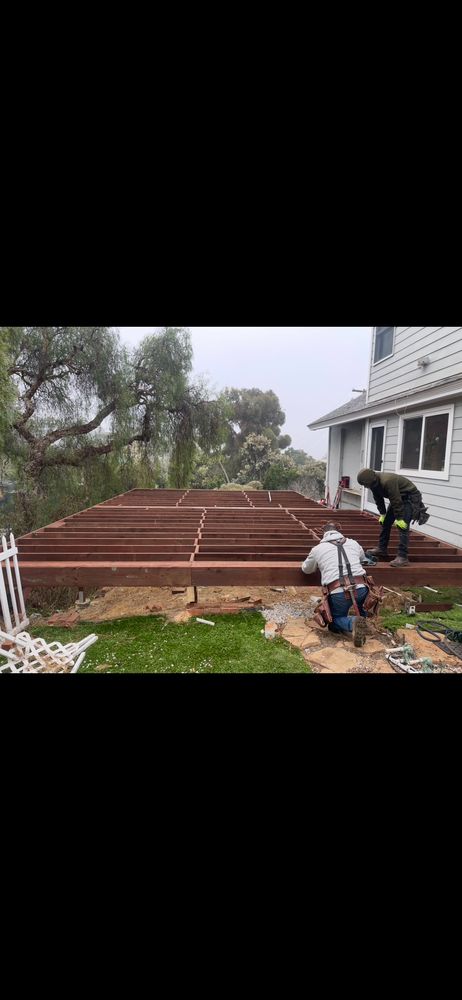
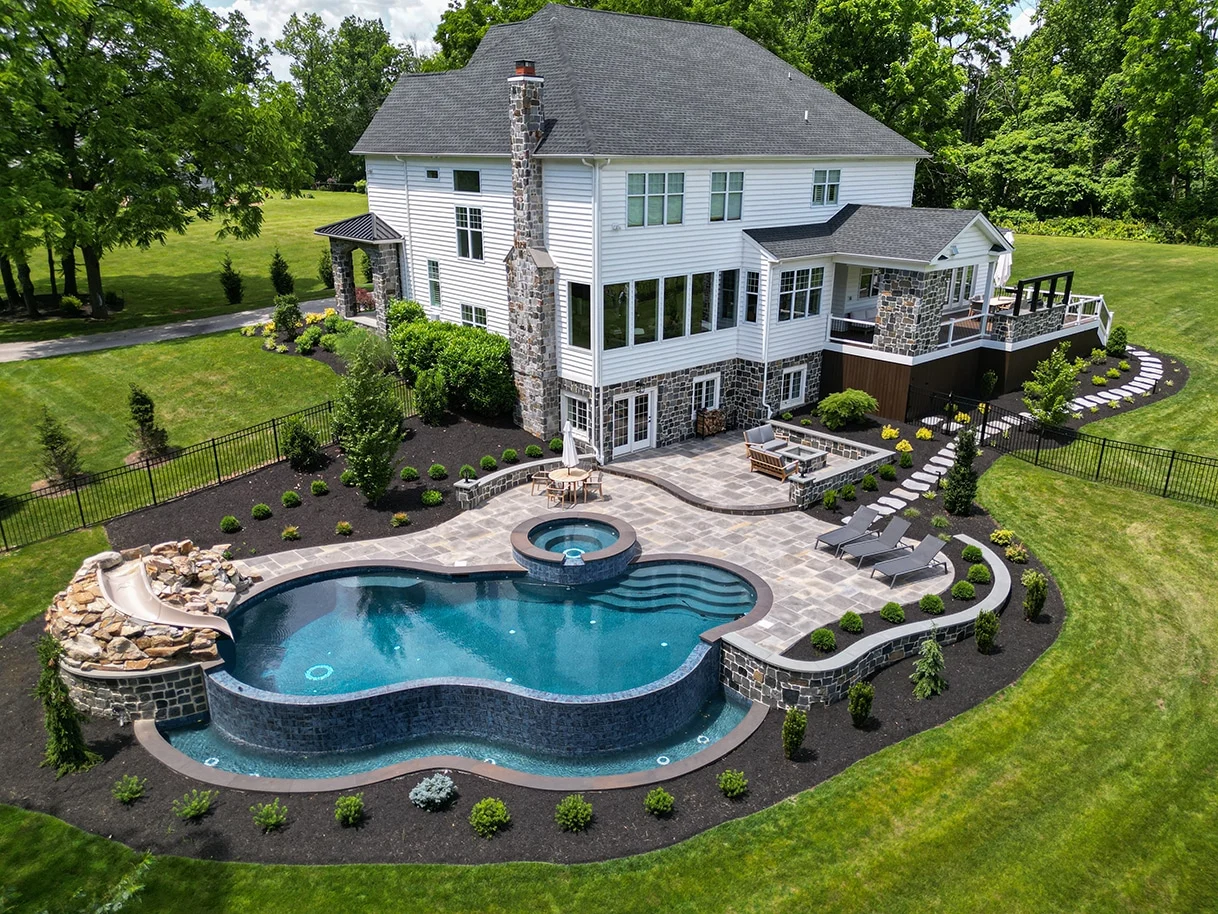
What Homeowners Say
“Their design ideas helped us create an amazing 30-foot deck. The crew was professional, communicative and always on time.”
“Finished in a week and the price was fair and honest. The composite deck looks better than we imagined.”
“From estimate to final walkthrough they handled everything, including permits. Stunning result and zero stress.”
Fire-Resistant Decking Questions, Answered
What is a WUI zone and does it apply to my home?+
A WUI (wildland-urban interface) zone is an area mapped as being at elevated wildfire risk, common across San Diego's backcountry and hillside communities. If your parcel falls in a mapped Fire Hazard Severity Zone, new and replacement decks must be built to California Chapter 7A. We check your parcel before we design.
Which decking materials are fire-resistant or Class A?+
Aluminum decking is non-combustible, and mineral-based boards such as certain AZEK and TimberTech lines carry a Class A flame-spread rating. Some capped composites and fire-retardant-treated wood offer lower ratings. We confirm each product's listing against your fire zone before specifying it.
Does it meet California Chapter 7A code?+
Yes. In mapped WUI zones, decking and its assembly must comply with California Building Code Chapter 7A, which calls for ignition-resistant or non-combustible materials tested to standards like ASTM E84 and SFM 12-7A. We build and document every fire-zone deck to meet it and pass inspection.
Is fire-resistant decking actually fireproof?+
No deck is 100% fireproof, but ignition-resistant and non-combustible materials paired with an ember-resistant assembly dramatically reduce the chance your deck ignites from embers or nearby flame — which is the main way decks catch during a wildfire.
What about embers getting under the deck?+
The area under a deck is a major ember trap. We build ember-resistant assemblies — non-combustible or protected framing, enclosed and screened skirting, gap-free joints and metal flashing — so wind-blown embers have nowhere to lodge and smolder.
How much does fire-resistant decking cost?+
Fire-resistant decks typically run about $45–$90+ per square foot — a premium over standard decking for Class A materials, non-combustible framing and ember detailing. You get an exact number at your free on-site estimate.
Fire-Resistant Decks Across San Diego County
We build WUI-rated decks across 100+ ZIP codes, with a focus on the fire-prone backcountry and hillside communities. Find your neighborhood below.
Coastal
Central & South Bay
Building in a Fire Zone? Let's Talk.
Tell us your address and we'll check your WUI zone and get you a free, no-obligation estimate for a Chapter 7A-compliant deck. Every build is backed by our lifetime workmanship warranty.
Call (279) 217-9677