Stairs Are Where Safety Meets Everyday Use.
Deck stairs are the most-used and most-inspected part of any deck — every trip up and down puts weight on them. That's why we build deck stairs in San Diego around the numbers that keep people safe: consistent rise and run, so no step catches a toe, and a handrail that's actually there when you reach for it.
Behind that comfort is real structure. Solid stringers spaced correctly, concrete footings at the base, corrosion-resistant hardware and code-height guards are what separate stairs that feel rock-solid for decades from ones that bounce and rot early. With 15+ years and a certified crew, we build every set of stairs to code — and match the treads to your existing deck.
More Related Services
Explore the other deck services we offer — one local crew for the full life of your deck.
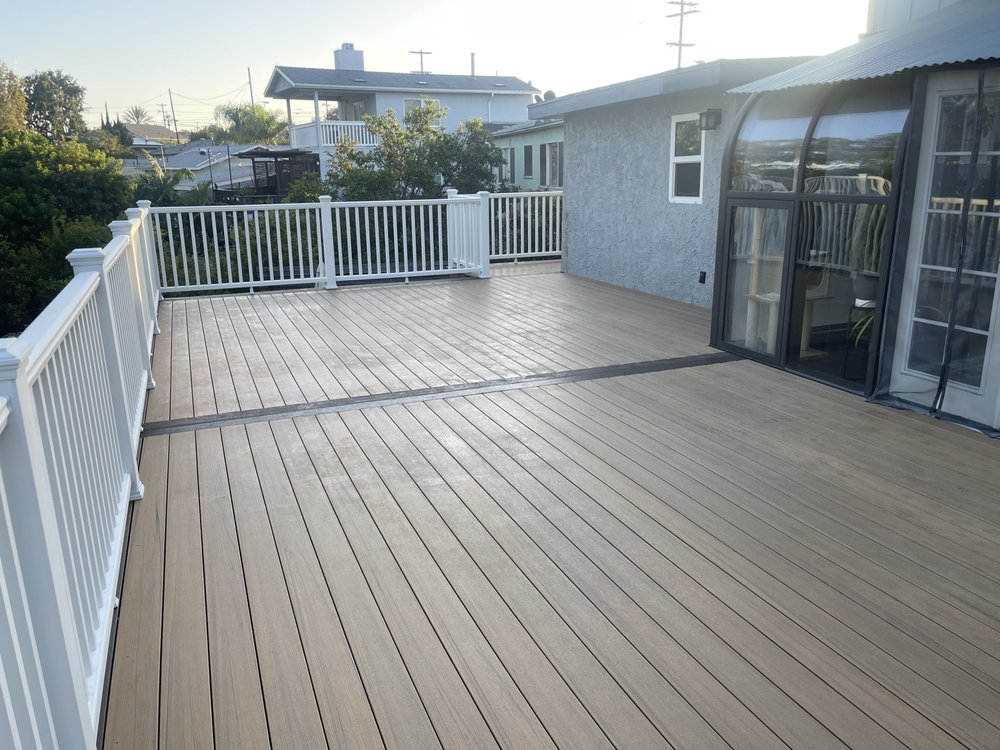
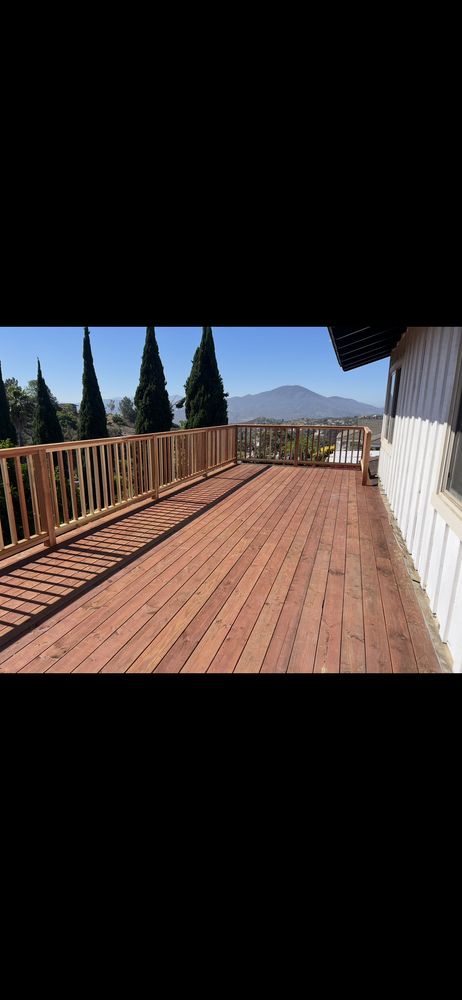
Deck Stair Materials — Treads & Stringers
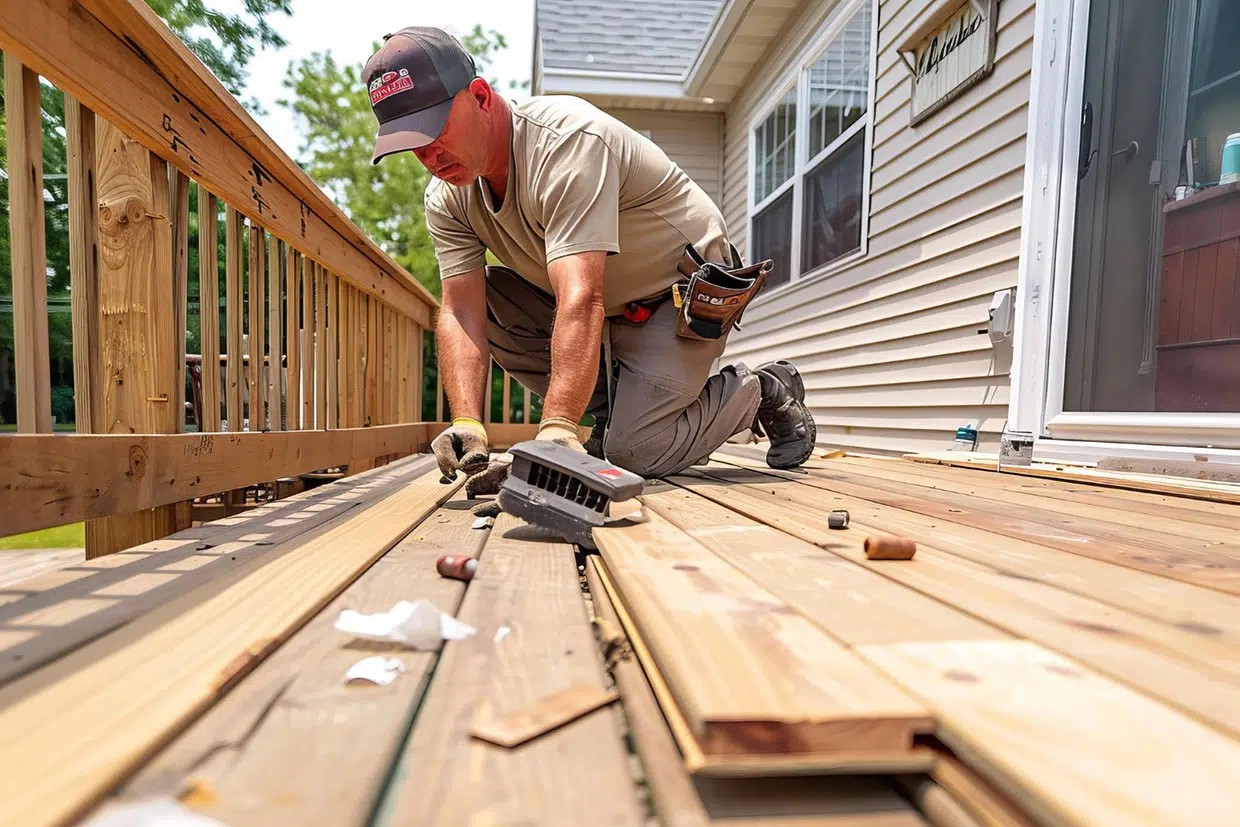
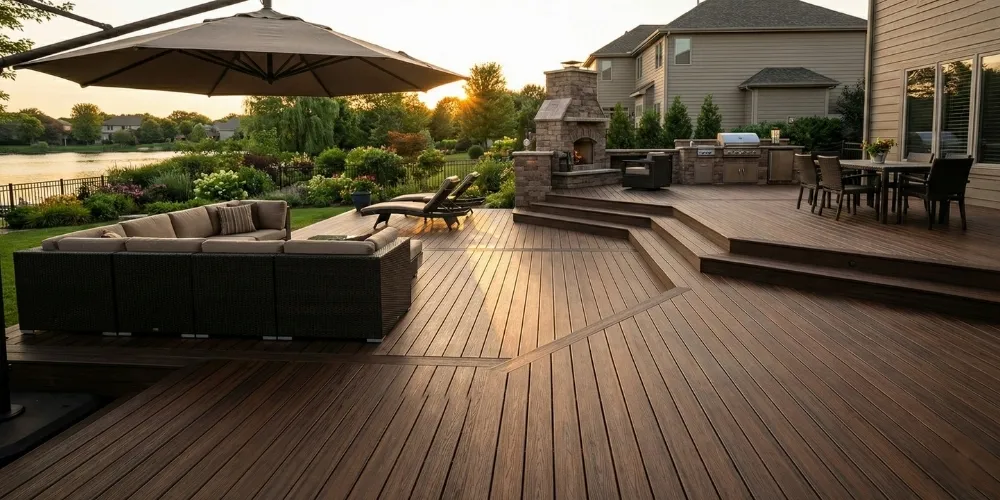
The right tread keeps stairs safe underfoot and matched to your deck. Here's how the common tread materials compare.
| Tread material | Look | Durability | Maintenance | Price tier |
|---|---|---|---|---|
| Pressure-Treated Treads | Classic, paintable | Good | High (seal yearly) | Budget |
| Redwood / Cedar Treads | Warm, natural grain | Very good | Medium | Standard |
| Composite Treads (Trex / TimberTech) | Wood-look, slip-resistant | Excellent | Very low | Standard |
| PVC Treads (Azek) | Modern, uniform | Excellent | Lowest | Premium |
| IPE Hardwood Treads | Rich, dense, grippy | Outstanding | Medium (oil) | Premium |
Most slip-resistant underfoot: grooved composite & textured PVC treads. Warmest, most natural feel: redwood or IPE. Whatever the tread, we carry the load on solid, code-spaced pressure-treated stringers with corrosion-resistant hardware — and match the finished look to your existing deck.
How We Build Your Deck Stairs
Four clear steps, one accountable team. It starts with a call.
Consultation & Free Estimate
We measure the total rise from deck to grade, look at the landing and slope, talk through width and railings, and give you a clear written estimate with no obligation.
Design & Permits
We finalize the rise and run, stringer layout, tread material and handrail style, then handle the permit and any engineering for hillside or elevated runs.
Build — With Regular Updates
Our certified crew pours footings, cuts and sets the stringers, installs treads and code-height handrails and guards, keeps the site tidy and keeps you updated.
Final Walkthrough & Warranty
We test every step and rail with you, pass final inspection, and back the stairs with our lifetime workmanship warranty.
How Much Do Deck Stairs Cost?
Straight answer: most deck stairs run about $150–$400 per step installed. Where you land depends on width, tread material, railings and the site. Here's the honest breakdown.
Pressure-treated treads, standard 36" width, single straight flight, wood handrail.
Composite or redwood treads, wider stairs, metal or cable handrail.
PVC or IPE treads, hillside multi-flight with landings, glass or custom railings & lighting.
| Cost factor | What drives it |
|---|---|
| Number of steps | Total rise from deck to grade sets how many stringers and treads are needed. |
| Tread material | Pressure-treated vs. composite vs. PVC vs. IPE — the biggest per-step swing. |
| Width & style | Wider stairs, wrap-around and box steps add stringers and labor. |
| Railings & handrails | Graspable handrails, guards, and cable or glass infill on open sides. |
| Site & landings | Hillside slope, footings, intermediate landings and switchbacks. |
Certified Installer & Trusted Partners
Factory-certified for the industry's leading decking brands — so you get the full manufacturer warranty on top of ours.
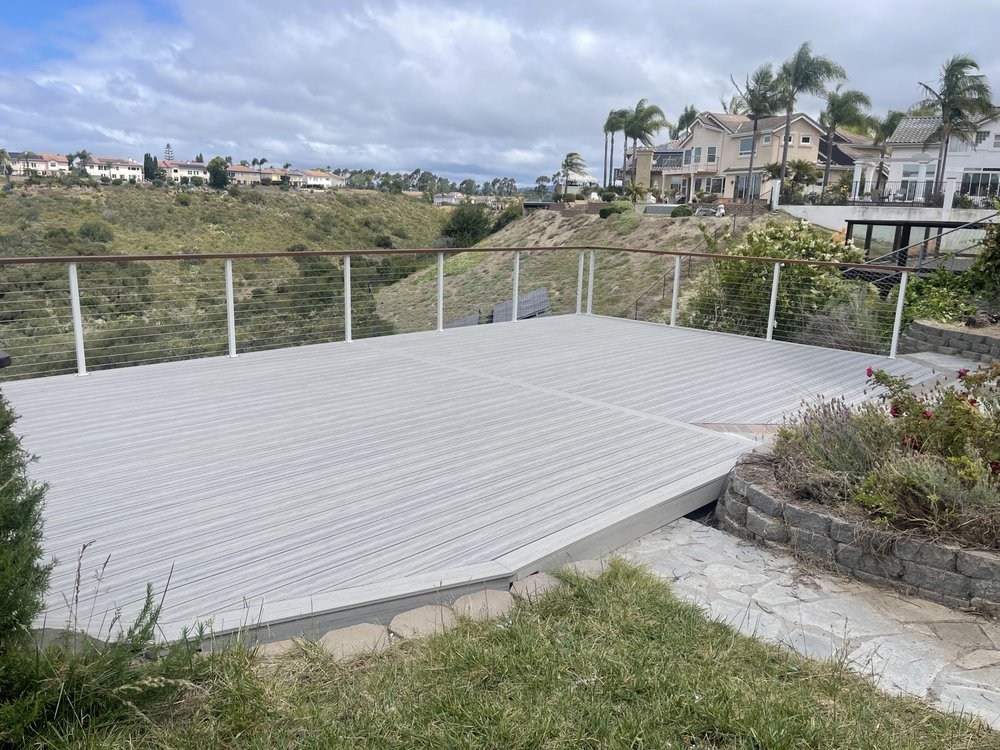
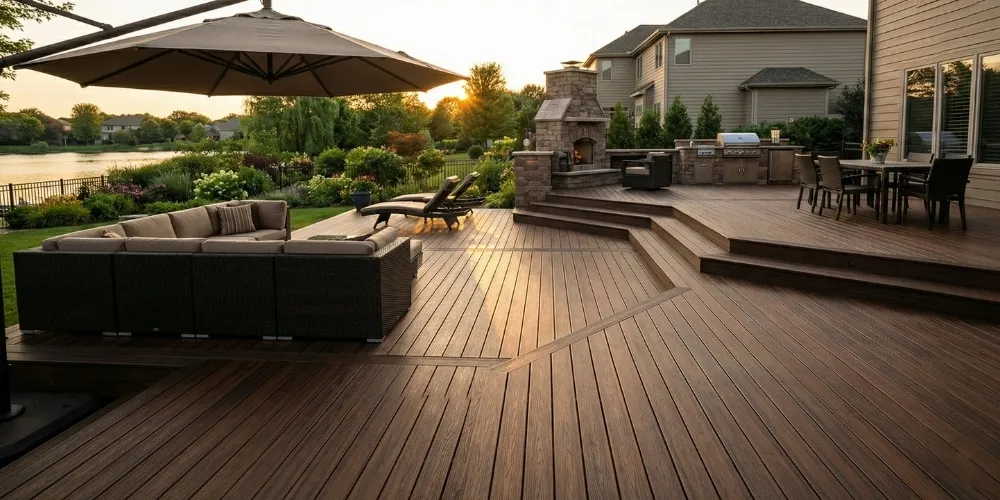
Recent Decks We've Installed
What Homeowners Say
“Their design ideas helped us create an amazing 30-foot deck. The crew was professional, communicative and always on time.”
“Finished in a week and the price was fair and honest. The composite deck looks better than we imagined.”
“From estimate to final walkthrough they handled everything, including permits. Stunning result and zero stress.”
Deck Stair Questions, Answered
What makes deck stairs code-compliant in San Diego?+
Stairs need a uniform rise of no more than 7.75" and a run of at least 10", a graspable handrail 34–38" high on any flight of four or more risers, and 42" guards plus a solid landing wherever the drop exceeds 30". We build every stair to current California code and pull the permit.
How much do deck stairs cost?+
Most deck stairs run about $150–$400 per step installed, depending on width, tread material, railings and the site. Hillside multi-flight stairs with landings sit at the higher end. You get an exact number at your free on-site estimate.
Do deck stairs need a handrail?+
Yes. Any stair with four or more risers needs a continuous, graspable handrail 34–38" above the tread nosings, and open sides need guards. We build handrails and guards into every stair to keep it safe and pass inspection.
What are stringers and how far apart do they go?+
Stringers are the angled boards that carry the treads. We use solid or notched stringers spaced about 12–16" on center — closer for composite treads — so the stairs feel firm with no bounce, all tied to concrete footings at the base.
Can you build stairs on a steep hillside lot?+
Yes — hillside access is one of our specialties. We design multi-flight stairs with intermediate landings and switchbacks, engineered footings and code guards, so you get safe, comfortable access down sloped San Diego lots.
Can you match new stairs to my existing deck?+
Yes. We match your stair treads and railing to your existing decking — wood, composite, PVC or IPE — so the stairs look built-in rather than added on, while still meeting current code.
Deck Stairs Across San Diego County
We build and rebuild deck stairs across 100+ ZIP codes, from coastal homes to steep East County lots. Find your neighborhood below.
Coastal
Central & South Bay
Need New Deck Stairs? Let's Talk.
Tell us about your stairs — how many steps, the slope and the look you want — and we'll get you a free, no-obligation estimate. Every set of stairs we build is code-compliant and backed by our lifetime workmanship warranty.
Call (279) 217-9677