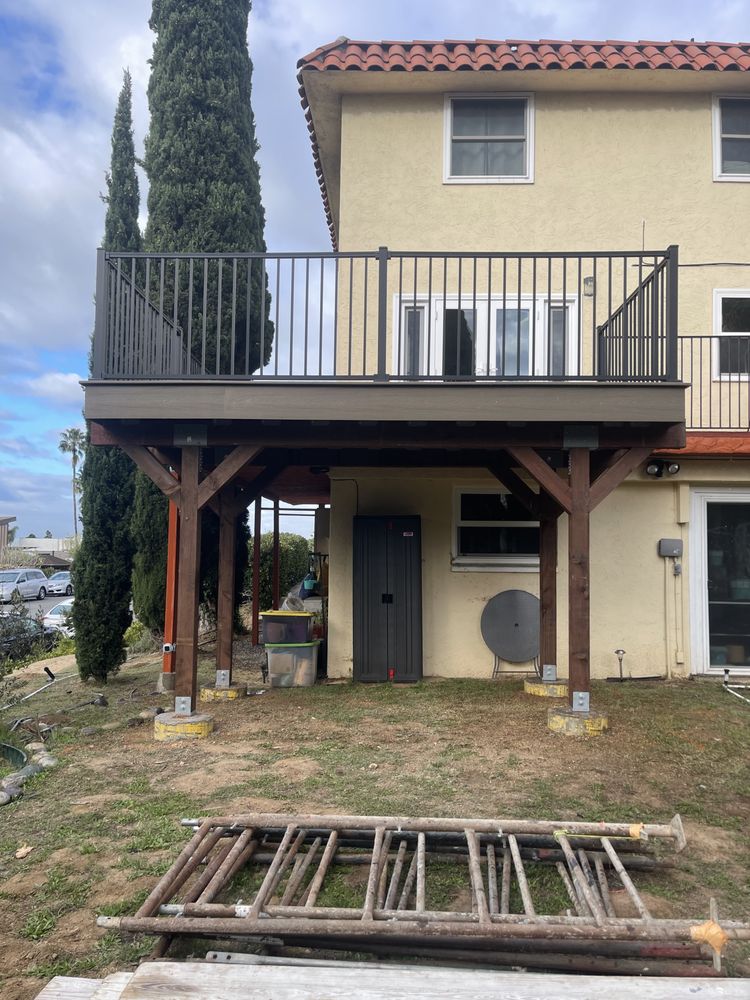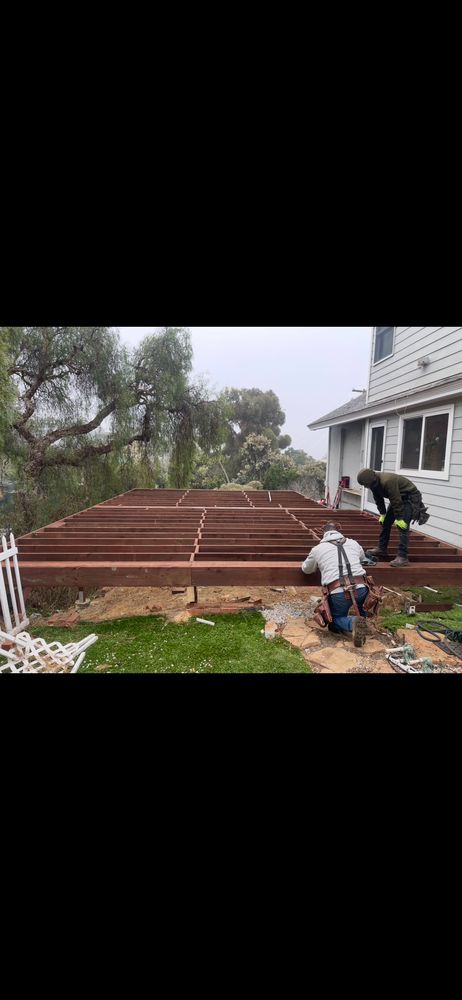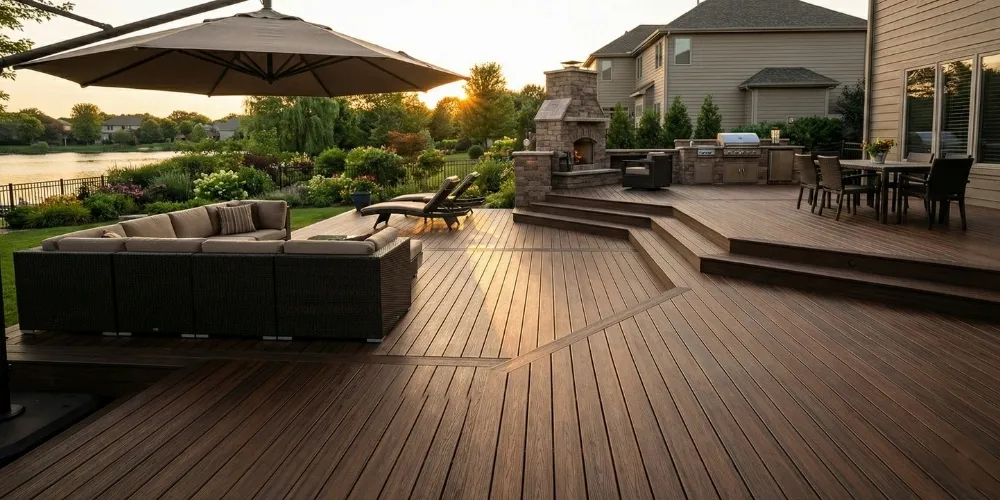
A deck inside California's coastal zone may need a coastal development permit (CDP) on top of a regular building permit, and people often call that a coastal commission deck permit. In La Jolla, Del Mar and Coronado, the city usually issues the CDP under its own certified Local Coastal Program, while the Coastal Commission mainly steps in on appeals and in areas it kept for itself.
Whether your deck needs one depends on exactly where the parcel sits and what the project changes. Many decks at existing homes qualify for an exemption. Some do not, especially near bluffs and beaches. This guide explains how to find out before you design anything, and it keeps the coastal rules separate from the building code, because they answer different questions.
Two Permits, Two Different Questions
A building permit asks whether the deck is safe: footings, framing, guards, stairs. A coastal development permit asks whether the project fits the coast: views, public access, bluff stability, habitat and community character. You can pass one and still need the other.
| Building permit | Coastal development permit | |
|---|---|---|
| Legal basis | California Building and Residential Codes | California Coastal Act and the local coastal program |
| Who issues it | City or county building department | Usually the city planning department; sometimes the Coastal Commission |
| What it reviews | Structure, loads, guards, stairs, fire rules | Location, height, views, access, bluffs, habitat |
| Typical trigger | Attached decks, decks over 30 inches, structural work | Development in the coastal zone that is not exempt |
| Order | Usually issued after planning approvals clear | Usually comes first, or alongside early design |
For the structural side, see our California deck building code guide. The rest of this post stays on the coastal side.
How the Coastal Act Works, in Plain Terms
The California Coastal Act of 1976 created the coastal zone and requires a coastal development permit for most "development" inside it. A new deck, a bigger deck, or a deck that changes grading or drainage can count as development.
Each coastal city writes a Local Coastal Program (LCP), which the California Coastal Commission reviews and certifies. Once an LCP is certified, the city issues most CDPs itself. The Commission keeps permit authority over certain areas, such as tidelands and some land right at the water, and it hears appeals.
Appeals matter for timing. In areas the Act treats as appealable, which generally includes land between the sea and the first public road along the coast and land within a set distance of the beach or the top of a coastal bluff, a local approval can be appealed to the Commission for a short window after the city's final action. Your project is not truly final until that window closes.
When a Deck Is Usually Exempt
The Coastal Act exempts many improvements to existing single-family homes. Replacing deck boards, repairing a railing, or rebuilding a deck the same size in the same spot often falls into that category.
The exemption has limits, though. Coastal Commission regulations take it away in certain settings, including work close to the edge of a coastal bluff, some projects in sensitive habitat, and certain additions on beachfront lots. Local programs can add their own conditions. So "it's just a deck" is a reasonable starting assumption at an inland coastal-zone lot and a risky one on a bluff.
Cities usually confirm an exemption in writing. Ask for that letter or stamp. It protects you if anyone questions the work later.
La Jolla Deck Rules
La Jolla is part of the City of San Diego, so coastal permits there run through the city's Development Services Department under San Diego's certified LCP. Several layers can apply to a deck:
- The coastal height limit. San Diego's voter-approved coastal height limit caps buildings at 30 feet in the coastal zone west of Interstate 5. Ground-level decks rarely come close, but rooftop decks and railings on upper floors can.
- Planned district rules. Parts of La Jolla, including La Jolla Shores, have their own planned district ordinance with extra design and setback rules.
- Community review. Projects that need a discretionary permit often go to the La Jolla community planning group for a recommendation before the city decides.
- Bluff and beach setbacks. Lots along the bluffs from Bird Rock to the Shores face tighter limits on where new structures can go.
Replacing an existing deck in the same footprint is often straightforward. Pushing a deck toward a bluff edge, raising it to catch a view, or adding a rooftop deck is where review gets longer.
Del Mar
Del Mar is a separate city with its own certified LCP, so its planning department issues coastal permits. Del Mar is also known for a hands-on design review process, where neighbors' views and the scale of a project get real attention.
The city uses overlay zones for beach-adjacent lots and for bluffs, slopes and canyons. A deck in one of those overlays can face extra setback, height or drainage conditions. If your home sits on the beach side of the railroad tracks or on a canyon edge, call the planning counter before your designer draws anything.
Coronado
Coronado also runs most coastal permits locally through its community development department. The beachfront homes along Ocean Boulevard and the bayfront homes facing the city skyline get the closest look, since views and public access along the shore are what coastal review exists to protect.
Some shoreline and tideland areas fall under the Coastal Commission or other agencies rather than the city. For homes inland on the island, a deck replacement is often handled as an exempt or minor permit. Confirm your parcel before assuming either way.
How to Find Out What Your Deck Needs
- Look up your parcel on the city's zoning or GIS map and check whether it falls inside the coastal zone and any overlay districts.
- Note whether the lot is near a bluff edge, on the beach side of the first public road, or next to a canyon or wetland.
- Describe the project in one line: replacement in the same footprint, a larger deck, a raised deck, or a rooftop deck.
- Ask the planning counter whether that project is exempt, needs a minor coastal permit, or needs a full CDP.
- Get the answer in writing, including any exemption determination.
- If a CDP is required, build the appeal window into your schedule before ordering materials.
- Then submit for the building permit, with plans that match what planning approved.
A deck contractor in San Diego who works in the coastal zone regularly will know most of these answers for your street already. Still, the written determination from the city is what counts.
Rooftop and Upper-Floor Decks
Rooftop decks get the most scrutiny in the coastal zone. They add height, they can block a neighbor's or the public's view, and the railing often becomes the tallest point of the house. In La Jolla and other parts of San Diego west of Interstate 5, that railing has to stay under the 30-foot coastal height limit along with everything else.
Upper-floor decks off a bedroom or living room raise similar questions about height and bulk, plus privacy for the homes next door. Expect reviewers to ask for elevations that show the deck and railing against the existing roofline and the height limit.
If a rooftop deck is part of your plan, bring it up at the very first conversation with the planning counter. It can change the type of permit you need and how long review takes.
What to Bring to the Planning Counter
A short, clear package gets you a faster and more reliable answer. Before you call or visit, gather:
- Your assessor's parcel number and street address.
- A simple site sketch showing the house, the existing deck and the proposed deck, with rough dimensions.
- Photos of the current deck and the view from the yard toward the water.
- The deck's planned height above grade and whether it attaches to the house.
- Notes on anything nearby that coastal review cares about: a bluff edge, a beach, a canyon, a public walkway.
With that in hand, staff can usually tell you whether the project looks exempt, needs a minor permit, or needs a full coastal development permit, and what studies or drawings they will want.
What Coastal Reviewers Look At
Coastal review is less about the boards and more about what the deck does to its surroundings. Expect questions about:
- Public views to the ocean from streets, parks and beach access points.
- Distance from the bluff edge and whether the deck adds load or irrigation near it.
- Drainage, since water dumped over a bluff speeds up erosion.
- Height and bulk compared with neighboring homes.
- Lighting and glass railings near habitat areas, in some locations.
Material choices matter for durability near the beach, but they are a separate decision. Our guide to coastal vs inland decks covers salt-air hardware and boards.
Timing and Budget
An exempt deck replacement can move as fast as a normal building permit. A deck that needs a full coastal development permit can add weeks or months, depending on the city's workload, whether a hearing is needed, and whether anyone appeals.
Budget for the extra steps too: planning fees, possible surveys or geotechnical reports on bluff lots, and the designer's time to respond to comments. These are hard to price before the city tells you which path applies, which is why that phone call comes first.
What Doesn't Work
- Building first and asking later. Unpermitted coastal development can lead to enforcement and an order to remove the work.
- Treating a building permit as the only approval. Building plan check does not always catch a missing coastal permit.
- Assuming a neighbor's exemption applies to you. Two lots on the same street can sit on opposite sides of an appeal boundary.
- Starting construction during an open appeal period.
On the coast, the cheapest hour of the whole project is the one you spend on the phone with the planning counter before anyone draws a line.
Quick Answers
Do I need a coastal commission deck permit?
Maybe. Decks inside the coastal zone can need a coastal development permit in addition to a building permit. In La Jolla, Del Mar and Coronado, the city usually issues it. Many deck replacements at existing homes are exempt, but work near bluffs or beaches often is not.
Is a coastal development permit the same as a building permit?
No. A building permit checks structural safety. A coastal development permit checks whether the project fits coastal rules on views, access, bluffs and habitat. Some decks need both.
Can I replace my deck in La Jolla without a coastal permit?
Often, if it is a like-for-like replacement at an existing home and not near a bluff edge or the beach. The City of San Diego should confirm the exemption in writing before work starts.
How long does a coastal development permit take for a deck?
An exempt project can move as fast as a normal permit. A full CDP can add weeks or months, plus an appeal window in appealable areas, so start early.
We check your parcel's coastal status before design, so the permit path is clear from day one.
Get a Free Estimate