Trex vs AZEK is really composite vs PVC: Trex boards blend recycled wood fiber and plastic, while AZEK boards are solid PVC with no wood at all. AZEK costs more but handles moisture, salt air, pool water and heat better, while Trex gives you a durable, low-maintenance deck for less money.
For most decks, Trex is the value pick and AZEK is the premium pick for tough conditions. Which one is right depends on where your deck sits, how much sun it gets, and how much the upgrade costs on your specific project. If you are also considering TimberTech's composite boards, see our three-brand guide to Trex vs TimberTech vs AZEK.
A Quick Note on the AZEK Name
AZEK began as a standalone PVC decking brand. Today its boards are sold under the TimberTech name as the TimberTech AZEK, or Advanced PVC, collection, made by the same company as TimberTech's composite boards. When people search "AZEK decking," they almost always mean these PVC boards, and that is what this comparison covers. Current AZEK product lines and warranties are listed on the TimberTech website.
PVC vs Trex: What the Boards Are Made Of
Trex is capped composite. The core mixes recycled wood fiber with recycled polyethylene, and a hard polymer shell protects the outer surfaces. The wood fiber gives it a solid, wood-like feel and keeps cost down.
AZEK is cellular PVC, capped with a tougher polymer surface. With no organic material in the board, there is nothing to absorb water or feed mold inside the core. PVC boards are also noticeably lighter than composite boards of the same size.
That one difference, wood fiber or no wood fiber, drives most of what follows.
Side-by-Side Comparison
| Factor | Trex (composite) | AZEK (PVC) |
|---|---|---|
| Core | Recycled wood fiber and plastic | PVC, no wood fiber |
| Moisture | Low absorption; cap protects the surface | Does not absorb water |
| Salt air and pools | Good | Excellent |
| Heat underfoot | Varies by color; darker runs hot | Generally cooler at similar colors |
| Weight | Heavier | Lighter, easier to carry and cut |
| Thermal expansion | Moderate | Higher; end gaps are critical |
| Scratch resistance | Good on premium lines | Good on premium lines |
| Price | Lower | Higher |
AZEK vs Trex Cost
AZEK costs more per board than Trex at almost every level. Entry Trex is the cheapest of the two by a wide margin, and AZEK has no true entry tier. The closest overlap is between premium Trex lines like Transcend and mid-tier AZEK like Harvest.
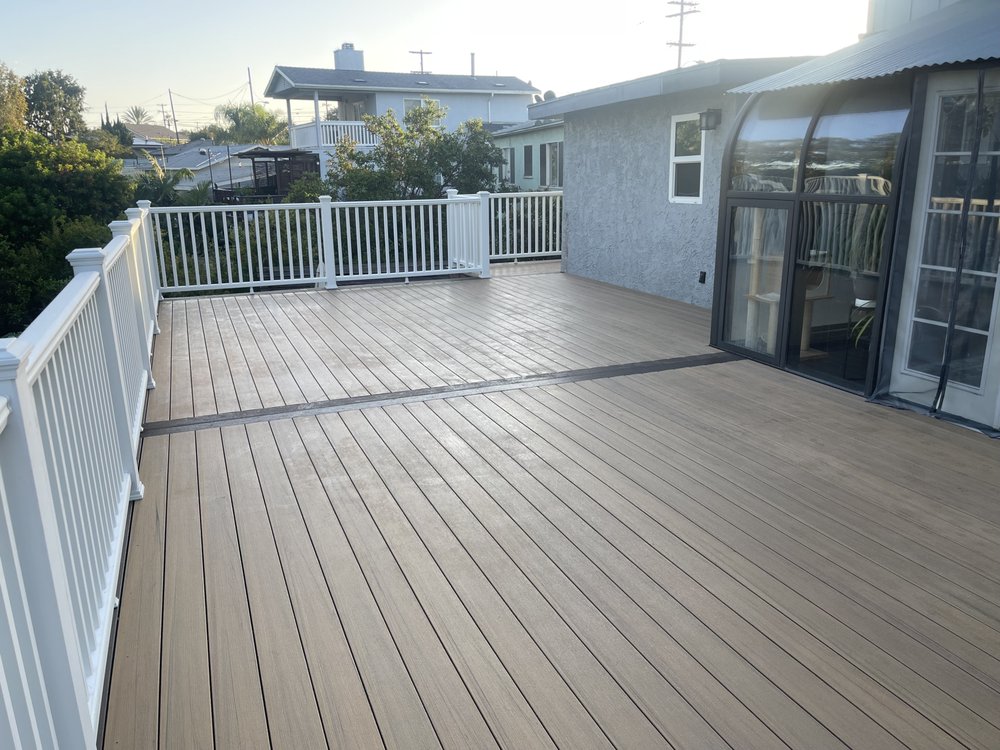
On a finished deck, the board is only part of the bill. Framing, footings, railings, stairs and labor can be half or more of the total. So moving from a premium Trex board to a mid AZEK board often adds less to the whole project than the per-board price suggests. Ask your builder to quote both on the same plan so you see the real difference. Our Trex deck and AZEK deck pages show what we typically install in each.
AZEK vs Trex Durability
Both are durable, low-maintenance boards. The differences show up at the edges of their range.
Moisture and mold. Because PVC has no wood fiber, AZEK resists water and mold through the whole board. Trex's cap protects the surface well, but a cut end or a deep gouge exposes the composite core. In wet, shady spots, that gives PVC an edge.
Heat and movement. PVC expands and contracts more than composite as temperatures change. On long boards in full sun, that movement must be handled with proper end gaps and fastening. Installed correctly, it is not a problem. Installed carelessly, it shows up as gaps opening and closing at board ends.
Surface wear. Premium lines from both brands resist scratches and stains well. Entry composite tends to show scuffs from furniture and pet claws sooner.
Both brands back their boards with long limited warranties, with the longest fade and stain coverage on AZEK's top PVC lines. Read the warranty for the exact line you choose.
When AZEK Is Worth the Extra Money
- Oceanfront and near-coast homes, where salt spray and the marine layer keep decks damp for hours.
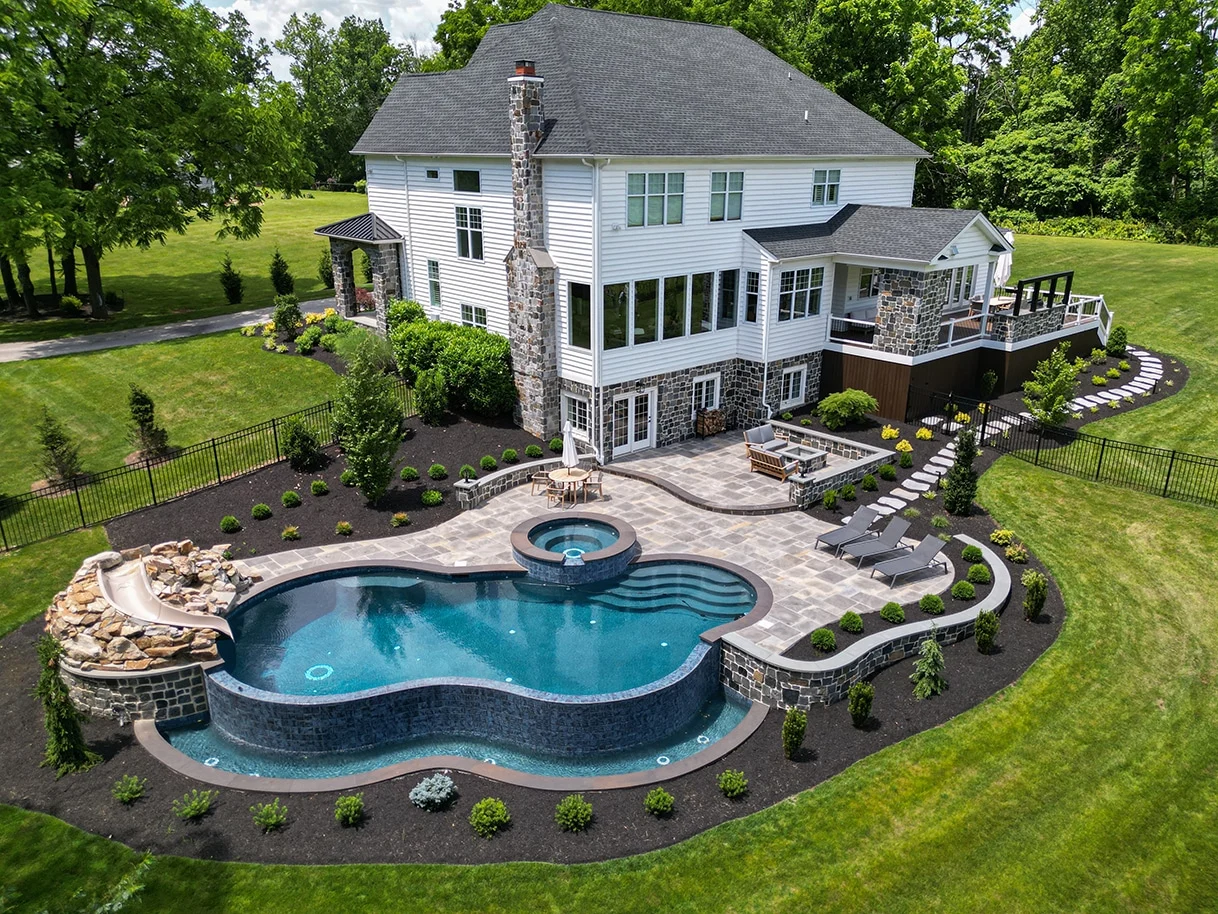
- Pool decks, where chlorinated splash, sunscreen and bare feet are constant.
- Low decks with little airflow, where moisture can linger under the boards.
- Hot, sunny decks where a cooler surface makes the deck usable on summer afternoons.
- Rooftop and raised decks where the lighter weight helps.
If your deck is near the beach, our guide to coastal vs inland decks in San Diego explains the hardware and finish choices that matter just as much as the board.
When Trex Is the Smarter Choice
- An inland backyard deck with normal sun and good airflow.
- A large deck where the price difference adds up across thousands of square feet.
- Projects where easy local availability and future matching boards matter.
- Homeowners who prefer the heavier, more wood-like feel of composite underfoot.
Installation Differences
The two boards go down in a similar way, but PVC asks for more care in a few places. Crews who mostly install composite can trip over these if nobody flags them.
- End gaps. PVC boards grow and shrink more along their length than composite, so the manufacturer's gap table, which depends on the temperature on install day, matters more. A gap set on a cool morning can close up on a hot afternoon if it was too tight.
- Fastening. Both brands sell hidden clip systems. Using the matching clips and screws is usually a condition of the warranty, so mixing a Trex clip with an AZEK board is a bad idea.
- Cutting and handling. AZEK is lighter and cuts cleanly, which crews appreciate on rooftop and second-story jobs. Trex is heavier, so long boards take two people.
- Joist spacing. Most residential boards from both brands call for 16 inches on center for straight runs and closer spacing for diagonal layouts. Check the guide for your exact line.
- Picture framing. Both look sharp with a border board around the edge, but PVC borders need the same expansion planning at mitered corners.
Looks and Feel Underfoot
Composite has a slightly denser, more solid feel when you walk on it, closer to real lumber. PVC feels lighter and a touch softer. Most people stop noticing after the first week, but some homeowners care, so walk on finished decks of both if you can.
On appearance, both brands now use multi-tone colors and embossed grain on their mid and premium lines. AZEK's top collections are known for especially varied, realistic grain. Trex Transcend Lineage leans toward lighter, cleaner modern tones. Entry Trex boards look more uniform, which some people prefer on contemporary homes.
Maintenance Over the Years
Neither board needs sanding, staining or sealing. Upkeep for both is soap, water and a soft brush a few times a year, plus clearing leaves and dirt out of the gaps so water drains.
The difference shows up in damp, shaded spots. Mildew can form on the surface of any deck board where dirt and pollen sit in the shade. On PVC it stays on the surface. On composite, it also stays on the surface as long as the cap is intact, but cut ends and deep scratches give it more to hold onto. Near the coast, a fresh-water rinse every few months keeps salt off the boards and, more importantly, off the hardware underneath.
Fire Zones
If your home sits in a mapped fire hazard area, the decking within 10 feet of the house has to meet California's wildfire rules. Both Trex and AZEK publish WUI test listings for certain product lines, but not for every line or color. Check the listing for the exact product before choosing on price or looks.
Heat in San Diego: A Practical Test
Inland neighborhoods like El Cajon, Santee and Escondido see summer afternoons far hotter than the coast. That is when board temperature matters most. PVC generally stays cooler than composite of a similar color, and lighter colors of either material are cooler than dark ones.
Color choice also changes how a deck ages in the sun. Both brands fade slightly in the first months before settling, and lighter colors show that change less. If you are torn between two shades, pick the lighter one for a sunny inland deck and the one that hides sand and dirt best for a beach house.
The simplest test is the best one. Put a sample of each board you are considering in direct sun on a hot afternoon, wait an hour, and press your palm on each. You will feel the difference in seconds.
Can You Use Both on One Deck?
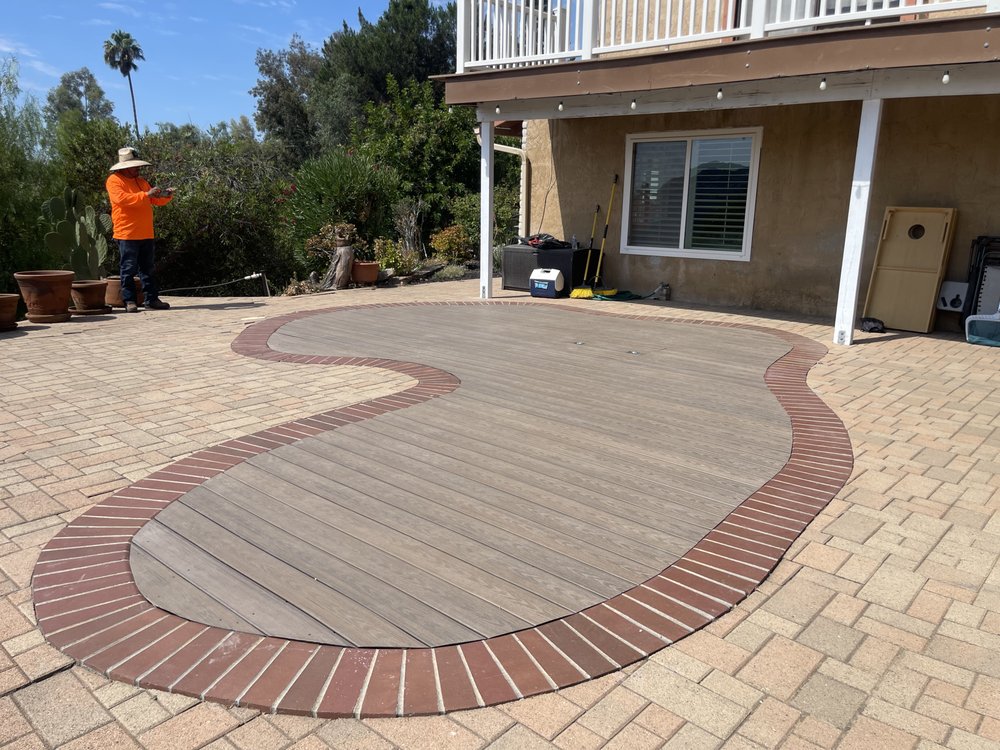
Yes, and some smart designs do. A common approach is PVC where conditions are hardest and composite everywhere else: AZEK on the pool surround or the low, shaded section by the house, and Trex on the main, sunny deck. That keeps the premium spend where it does the most work.
The catch is matching. Colors and grain from two brands will not match exactly, so the switch should happen at a natural break, like a step down, a border board or a change in deck level. Expansion also differs between the two materials, so each section needs its own gapping. Plan it on paper with your builder rather than deciding mid-install.
What Doesn't Work
- Comparing an entry Trex board with a premium AZEK board and calling it a fair test.
- Installing PVC with the same end gaps used for composite.
- Paying for AZEK boards near the ocean and then using standard galvanized hardware underneath.
- Choosing dark PVC for a west-facing inland deck and expecting it to stay cool.
If your deck sees salt, chlorine or constant shade, PVC earns its price. If it doesn't, Trex usually gives you more deck for the money.
Quick Answers
Is AZEK better than Trex?
AZEK is better for wet, salty, pool-side or very hot decks because it is solid PVC with no wood fiber. Trex is the better value for most inland backyard decks. Both are durable and low maintenance.
Is AZEK more expensive than Trex?
Yes. AZEK PVC costs more per board than Trex composite at almost every level. Premium Trex and mid-tier AZEK overlap the most in price.
What is the difference between PVC and Trex decking?
Trex is capped composite made of recycled wood fiber and plastic. PVC decking such as AZEK contains no wood fiber, so it does not absorb water, weighs less and generally stays cooler.
Does AZEK get hot in the sun?
All decking warms up in direct sun. AZEK PVC generally stays cooler than composite of a similar color, and lighter colors stay cooler than dark ones.
We will price your deck in both Trex and AZEK so you can see exactly what the upgrade costs.
Get a Free Estimate